Illness
Illness is a call to action; it’s asking for change.


Illness is a call to action; it’s asking for change.

Let food be your medicine and medicine be your food.

The comeback is always stronger than the setback.

Asking for help can be the bravest move you make.

The greatest medicine is to teach people not to need it.
Wrinkles form when the skin loses its elasticity and moisture, making it less able to bounce back after being stretched. Various internal and external factors contribute to the development of wrinkles:
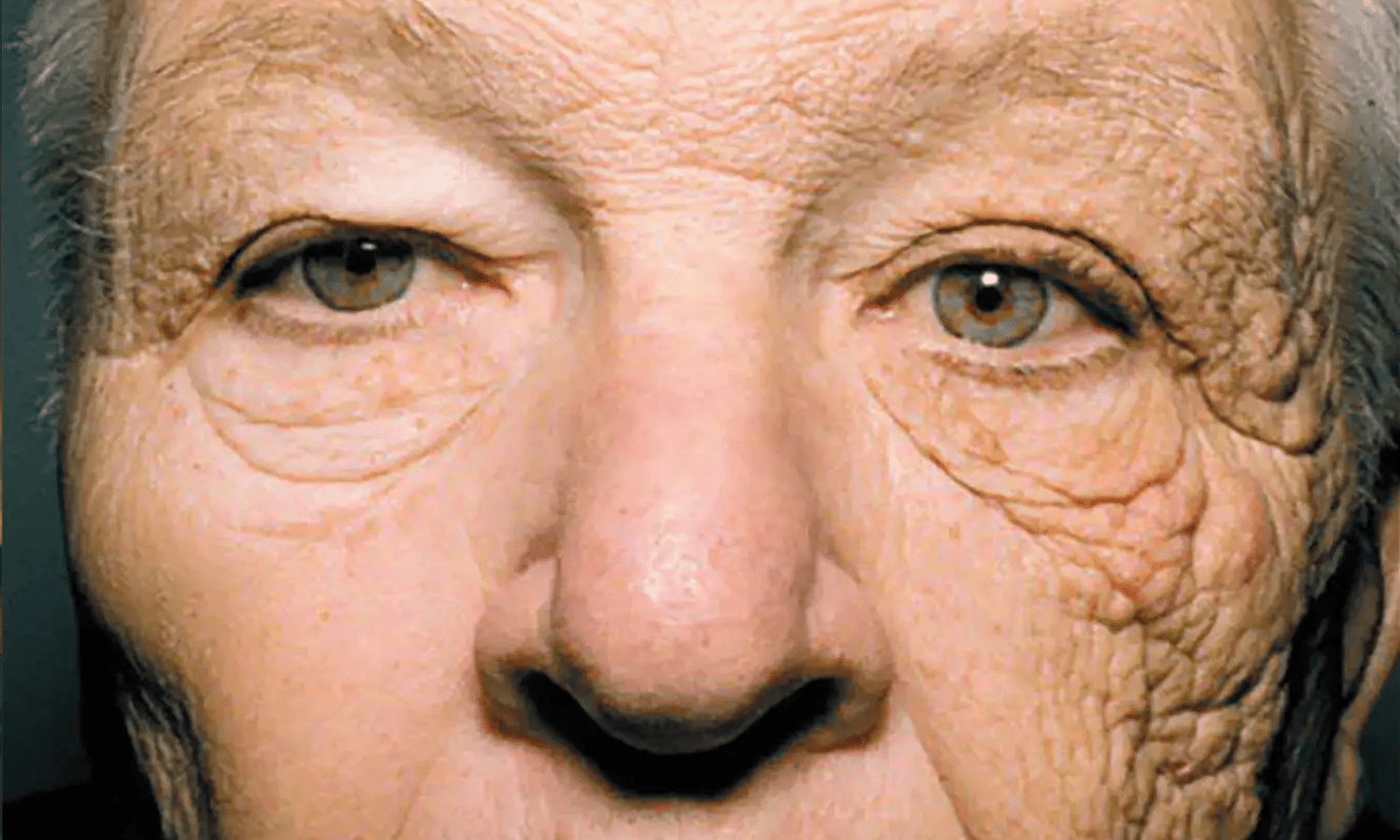
Excessive exposure to ultraviolet (UV) rays from the sun accelerates the breakdown of collagen and elastin fibers, leading to premature skin aging. Sun exposure is a primary cause of photoaging, characterized by wrinkles, fine lines, age spots, and a leathery texture.
Smoking accelerates the aging process by reducing blood flow to the skin, depriving it of essential nutrients and oxygen. The repetitive facial movements associated with smoking, such as pursing the lips, can also contribute to the formation of wrinkles around the mouth.
Frequent facial movements, such as squinting, frowning, or smiling, can cause dynamic wrinkles. These wrinkles form when facial muscles contract repeatedly over time, leaving lines in areas like the forehead, around the eyes (crow’s feet), and around the mouth.
A poor diet that lacks essential nutrients, such as vitamins A, C, and E, can contribute to premature aging. Dehydrated skin loses its plumpness and is more prone to wrinkles. Chronic dehydration can make existing wrinkles appear deeper and more pronounced.
Pollution, harsh weather, and environmental toxins can cause oxidative stress to the skin, damaging its cells and accelerating the aging process. This leads to a breakdown of collagen and elastin, contributing to wrinkle formation.
Sleeping on your side or face down can cause pressure on the skin, leading to the formation of sleep lines. Over time, these lines can become permanent wrinkles, particularly if you consistently sleep in the same position.
While it’s impossible to prevent wrinkles completely, several strategies can help delay their formation and minimize their appearance:
One of the most effective ways to prevent wrinkles is to protect your skin from UV damage. Always use sunscreen with at least SPF 30, even on cloudy days or in the winter. Wearing protective clothing, sunglasses, and seeking shade during peak sunlight hours can also help protect your skin from harmful UV rays.
Drinking plenty of water is essential for keeping your skin hydrated and plump. Proper hydration helps maintain the skin's elasticity and reduces the appearance of fine lines. Incorporating water-rich foods like fruits and vegetables into your diet can also help with hydration.
Quitting smoking can have significant benefits for your skin. It restores healthy blood flow, helps the skin repair itself, and prevents further damage caused by the toxins in cigarettes. If you haven’t yet quit, consider seeking support to help break the habit.
Eating a balanced diet rich in antioxidants, healthy fats, and vitamins is key to maintaining youthful skin. Include foods like berries, leafy greens, nuts, and fatty fish in your diet. These foods are high in nutrients that promote collagen production, protect against oxidative stress, and maintain skin health.
Topical retinoids, such as retinol or tretinoin, can stimulate collagen production and accelerate cell turnover, helping to reduce the appearance of wrinkles. Antioxidants like vitamin C, E, and coenzyme Q10 can also protect the skin from oxidative damage caused by UV exposure and pollution.
Sleeping on your back can prevent the formation of sleep lines and reduce pressure on the skin. Consider using a silk or satin pillowcase, as it causes less friction on the skin than cotton and helps reduce creases.
Chronic stress can contribute to premature aging by increasing the production of cortisol, a hormone that breaks down collagen. Practicing relaxation techniques, such as meditation, yoga, and deep breathing, can help manage stress and prevent skin aging.
While prevention is key, there are several treatments available to help reduce the appearance of existing wrinkles:
Chemical peels involve applying a chemical solution to the skin to exfoliate the outer layers, revealing fresher, younger-looking skin underneath. They can help reduce the appearance of fine lines, wrinkles, and sunspots.
Botox is a popular injectable treatment that temporarily relaxes facial muscles, smoothing out dynamic wrinkles like frown lines and crow's feet. Dermal fillers, such as hyaluronic acid-based products, can restore volume to areas like the cheeks and under the eyes, reducing the appearance of wrinkles and sagging.
Laser resurfacing treatments, such as fractional CO2 lasers or non-ablative lasers, can stimulate collagen production and improve skin texture. These treatments work by targeting the deeper layers of skin to encourage cell regeneration and tighten the skin.
Microneedling involves using tiny needles to create micro-injuries in the skin, stimulating collagen and elastin production. This treatment can help improve the appearance of fine lines and wrinkles over time.
Wrinkles are a natural part of aging, but lifestyle changes, proper skincare, and various treatments can help minimize their appearance and prevent premature aging. By protecting your skin from sun damage, staying hydrated, quitting smoking, and following a healthy diet, you can slow the formation of wrinkles. For those who want to reduce the appearance of existing wrinkles, a combination of topical treatments, professional procedures, and at-home skincare routines can help achieve smoother, more youthful skin. Embrace your skin at every stage of life and take steps to care for it, because healthy, glowing skin is always in style.
The greatest wealth is health
Copyright © All rights reserved Dr. Roni Health